Art
There are 221 posts filed in Art (this is page 21 of 23).
Libre Arts: Week recap — 29 December 2019
Libre Arts: Introducing enve, free/libre 2D animation tool
Libre Arts: Week recap — 10 December 2019
Libre Arts: Week recap — 3 December 2019
Libre Arts: Week recap — 27 November 2019
“Brought to life” art challenge (due October 20th)
Libre Arts: The art of Philipp Urlich
Libre Arts: Week recap — 24 September 2019
Week highlights: Inkscape 1.0 beta released, GIMP is getting built-in Normal Map filter, Krita team brings more improvements and bugfixes, darktable team is wrapping up v3.0 development, new versions of OBS Studio and Shotcut.
Graphics
It’s been a few interesting weeks over at GIMP and GEGL.
First off, the master branch of GIMP can now optionally be built with Meson thanks to Félix Piédallu. There are more bugs to flesh out, but it basically works. For developers, this decreases local build times. Most users will probably be unaffected.
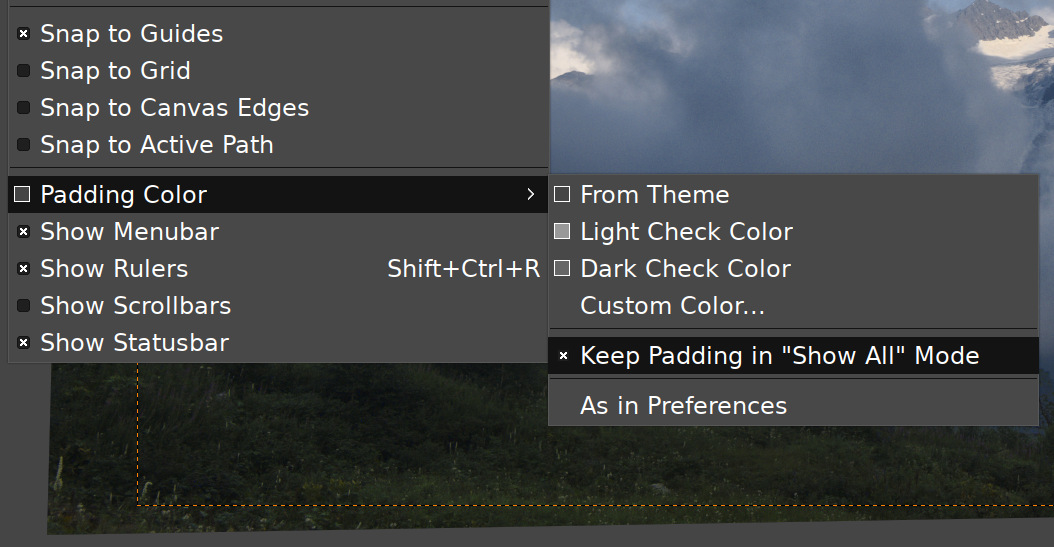
Ell continued his work on the out-of-canvas feature set, adding an option requested from users — making it possible to preserve canvas padding color instead of using the checkerboard when the Show All option is on. You can either set it on per-image basis or make it used by default.
Michael Natterer and Jehan continued working on plugins API. In particular, Michael started addressing a few 17 years old feature requests asking for a way to make plug-in settings be persistent across sessions and a Reset button. An existing patch for the former is yet to be pushed to the main development branch, the latter already works in the old Despeckle filter used as a testbed.
Another new feature added by Ell is changing compression type for tile swap. It looks puzzling and overly technical until you know what his intention is:
I have a long standing plan of automatically ramping up the compression when you’re running out of swap space, to buy you more time to save everything and regroup 🙂 Right now, this option is there mostly for experimenting/extra control.
Ell also contributed a new GEGL operation, Normal Map, currently sitting in the workshop, which means it’s not yet built by default. Basically it’s because he’s not done with it yet. Some features like filter type choice are still missing.
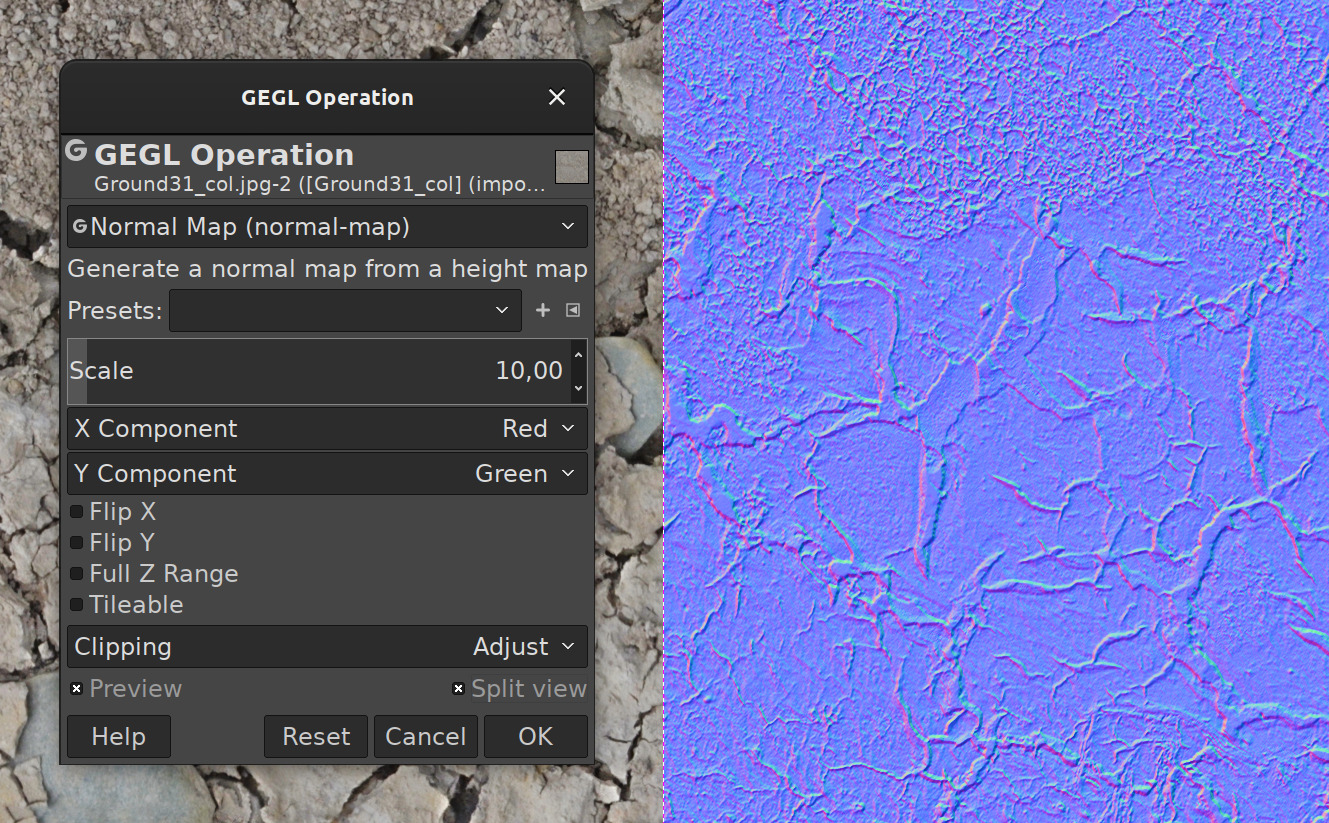
It’s hard to say if this will make it to GIMP 2.10.4 (if, like me, you build GIMP with workshop enabled, you don’t need to worry). We’ll see.
The Krita team recently released version 4.2.6 mostly with bugfixes (over 120 people participated in beta-testing). Two new features are: ‘New layer from visible’ command now available in layer’s right-click menu, and Angle is now used as the default renderer on Windows.
The master branch is seeing some good action too. Agata Cacko added a simple progress bar for saving KRA files to improve visual feedback. Thanks to Lynx3d, screen color picker can now pick from reference images too. Oh, and Boudewijn Rempt fixed a crapton of resource and memory leaks.
Wolthera continues hacking on SAI files support in a dedicated branch of Krita. Recently, she added some tests to validate correctness of loading the data, then added basic layer style support, basic masks support (more fixes to follow), implemented the Binary blending mode, fixed clipping groups to load correctly, and added support for reading/applying the DPI value.
Inkscape 1.0 beta is finally out! This has been years and years in the making, and it will hopefully soon be completed.
Some of the highlights of the upcoming release are:
- Optional coordinates origin in top left corner
- Canvas rotation and mirroring
- Better HiDPI display support
- Centerline tracing
- Tons of live path effects improvements
- Variable fonts support
MacOS users will also love native UI and signed/notarized .dmg files.
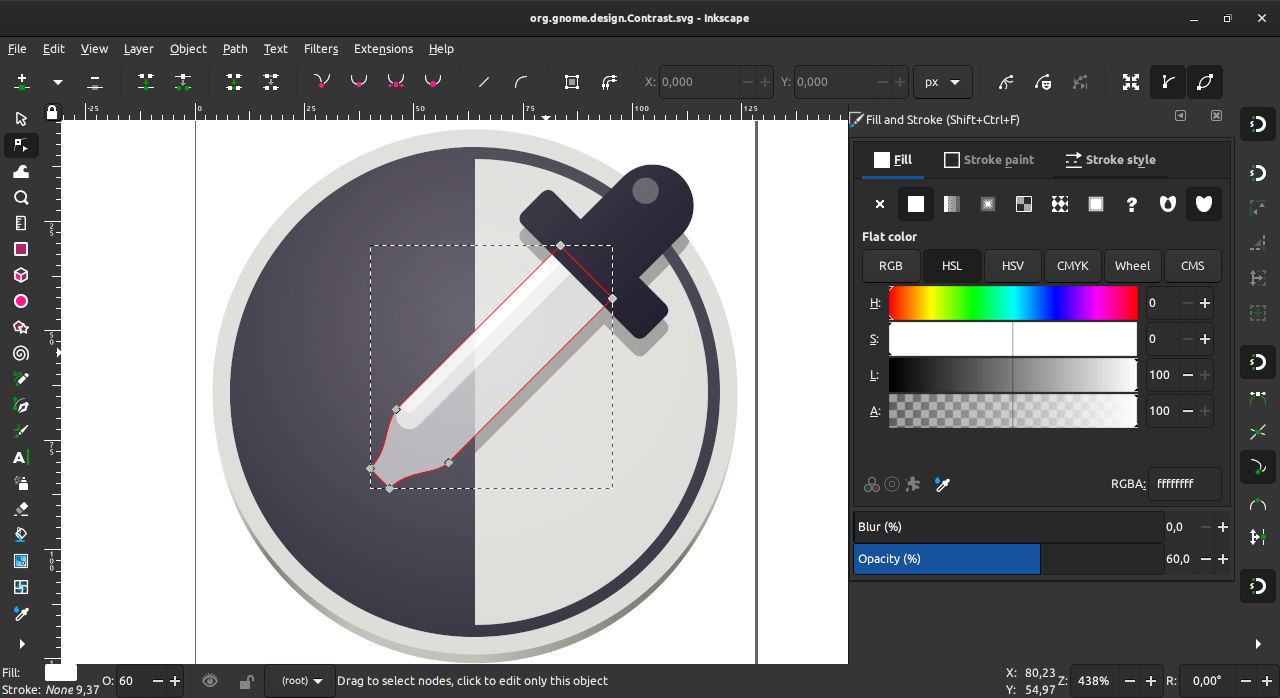
One of the interesting aspects of the beta release is the new multicolor icon theme and advanced theming options.
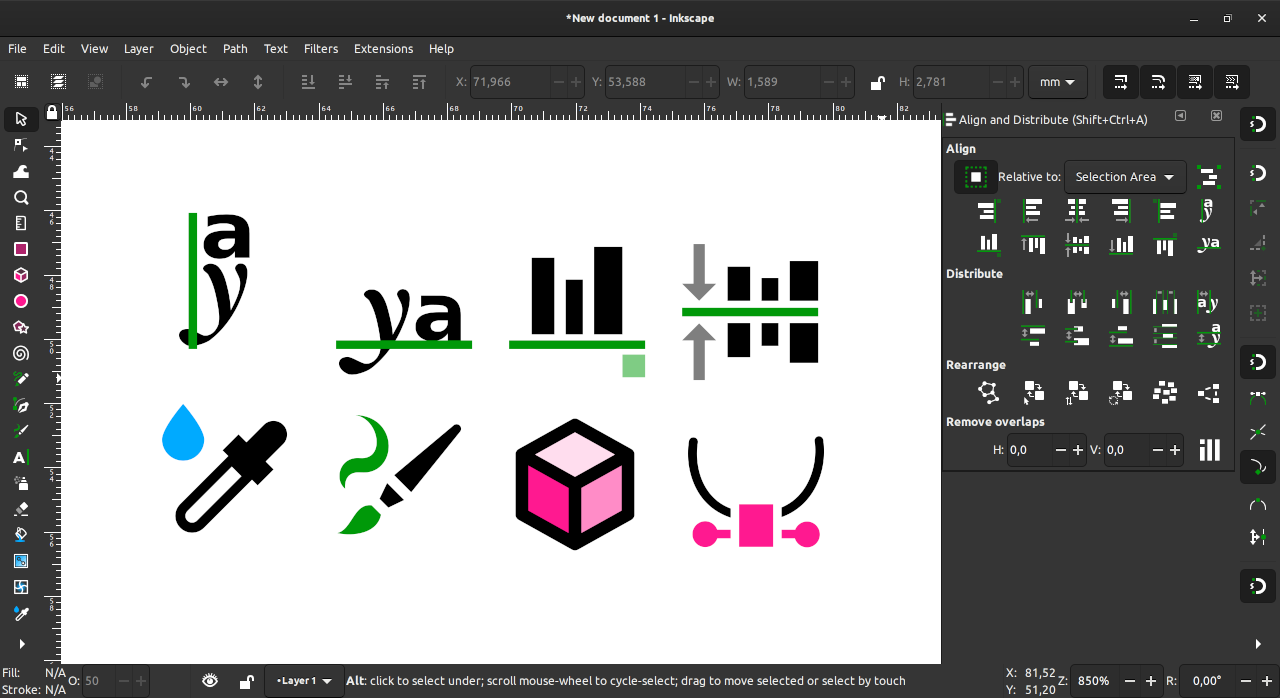
Basically, the theme is designed around several key colors that can be changed in the Preferences dialog (the red, the green, and the sky blue colors on the screenshot above).
Downloads are up at https://inkscape.org/release/1.0beta1/platforms/.
Photography
The darktable team seems to have started wrapping up writing new code. The next release, v3.0, is likely to be done around winter holidays time.
Aurélien Pierre finally merged tone equalizer, a darktable module he’s been working on for a good part of the year. The module is essentially another take at separating lightness into zones (blacks, shadows, midtones etc.) and adjusting them selectively.
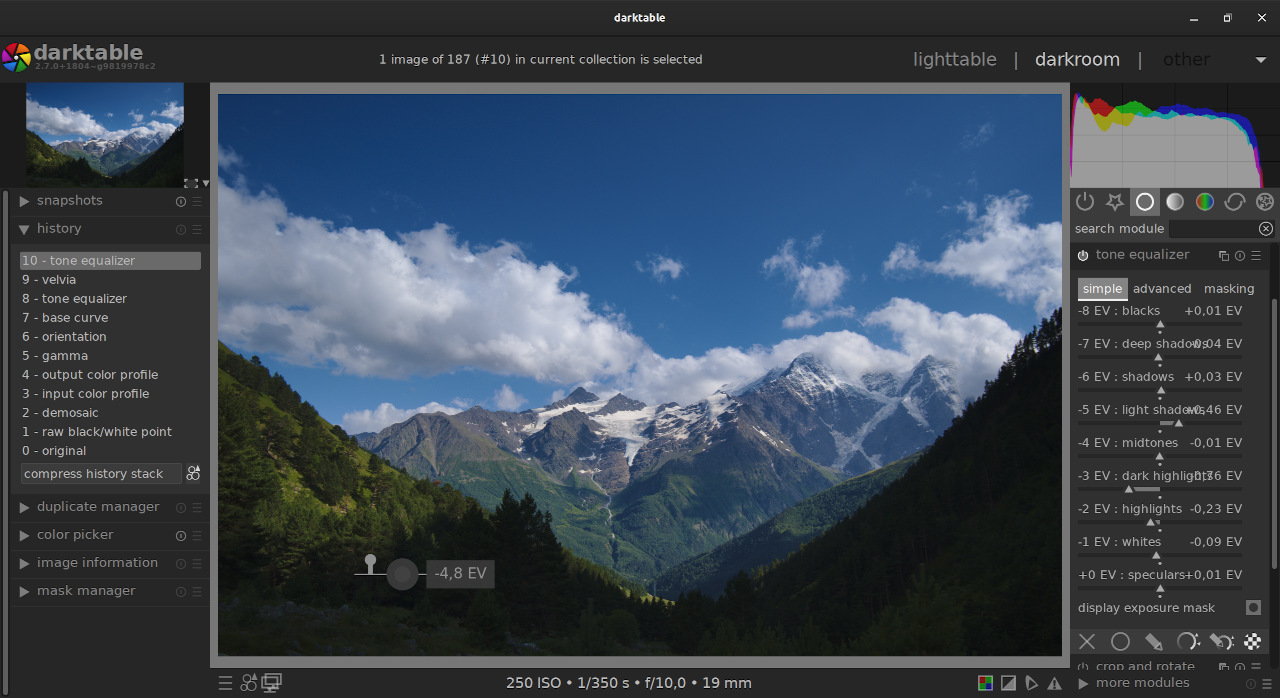
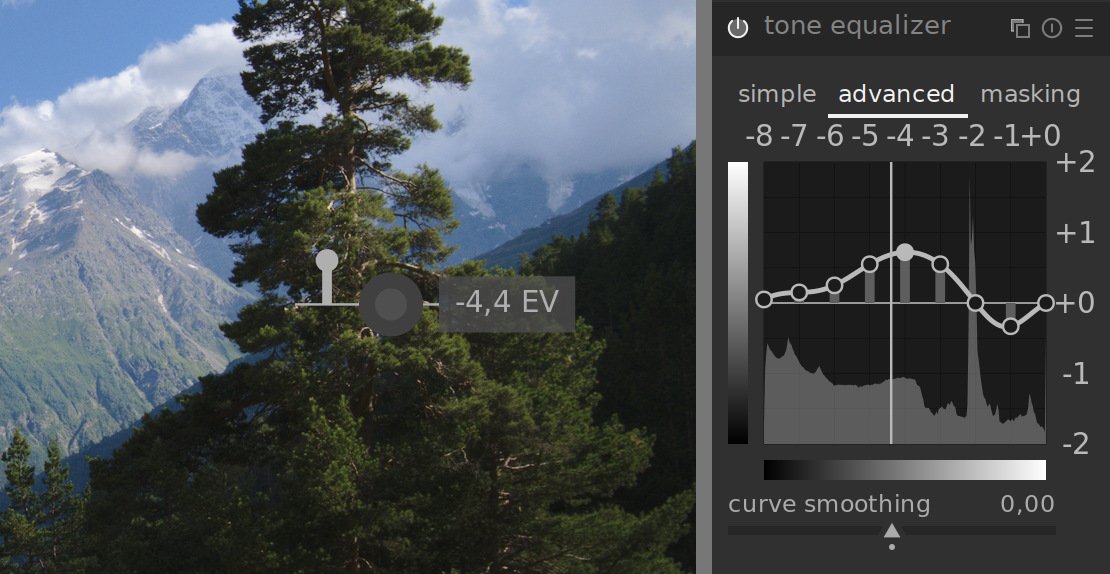
The module has some on-canvas interaction seen on both screenshots: hover over a region that belongs to a zone, then scroll the mouse wheel up or down to adjust EV. Adjacent zone will be compensated for, and unrelated zones won’t be affected at all.
There’s slightly more advanced UI that displays zone and the histogram and allows “painting” right over the EQ curve to tweak it.
For a background information on this feature, there is probably no better source than a dedicated thread over at Pixls.us. (One more important change, filmic v3, is better left for the next weekly report).
Speaking of which, another new fun project is ART, or Another RawTherapee. It’s a friendly fork of the well known photography application, also announced at Pixls.us. Alberto Griggio started it to flesh out some ideas for the original project. He ended up sticking to his fork because of how far the changes went.
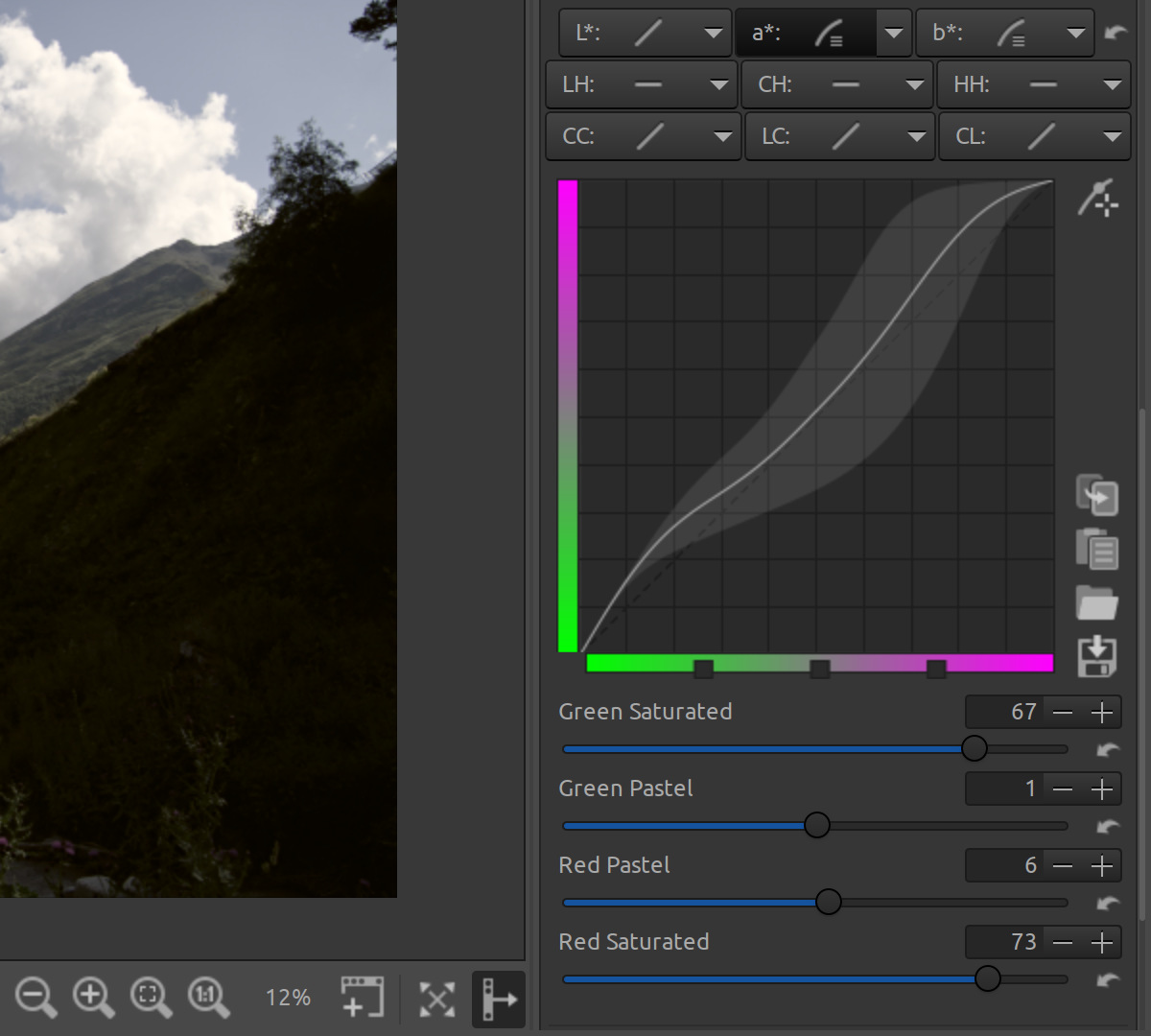
So far, Alberto seems more inclined to focus on local editing tools, in particular advanced masking tools, reusing darktable code/ideas where applicable (his tone equalizer is based on an earlier version of the darktable’s module), and streamlining the pipeline to his liking.
Source code is over at BitBucket.
Franco Comida merged the librtprocess integration code into the main development branch of Luminance HDR. If you want to know, how this affects tone mapping in terms of rendering quality, see his old/new previews from a thread on GitHub. The improvement is quite spectacular.
3D and VFX
Blender news are nicely packed in another Blender Live session by Pablo Vazquez:
As usual, more stuff from Pablo Dobarro:
Voxel Remesh update:
– Better topology generation. It produces the same level of detail using fewer vertices.
– Volume and detail preservation. It only updates the areas of the mesh that changed. The mesh smoothing problem is now fixed. #b3d pic.twitter.com/RghgBPfWyC— Pablo Dobarro (@pablodp606) September 20, 2019
And more:
Quadriflow now supports mesh symmetry. This drastically improves the performance and the quality of the results #b3d pic.twitter.com/05d93QUOBq
— Pablo Dobarro (@pablodp606) September 18, 2019
First appleseed 2.1.0 beta is released, featuring things like OSL shaders compilations on the fly, full support for Cryptomatte, and render checkpointing i.e. resuming multi-pass renders after they were interrupted.
Video
Hugh Bailey et al. finally made a much anticipated new release of OBS Studio, the free/libre video broadcasting and screencasting software. Some of the highlights:
- Ability to pause recording
- New option to automatically adjust bitrate instead of dropping frames
- Ability to select multiple sources on the preview
- Browser sources can now have their volume adjusted via the audio mixer
- Fixed hardware acceleration support for decoding media files
Get it from the project’s website.
More than that, Twitch joined NVIDIA and Logitech in sponsoring Hugh’s work on the project and committed to an unannounced annual donation that (it is safe to assume) surpasses 50 grand. The team will also have a booth (first time ever) at TwitchCon 2019 in San Diego.
Dan Dennedy released Shotcut v19.09.14 featuring multi-select for playlist and timeline, new default shortcuts, six new video filters, some other improvements, and a bunch of bugfixes. See the news post for more details.
Matt completed the transform effect in Olive, then went on setting up continuous integration including automatic builds for Windows, macOS, and Linux (AppImage). Hint: you can now grab Windows builds in the Artifacts section at Appveyor, but be warned that it’s alpha quality code. Great new features. But not ready for production yet. But so tempting… And yet… Oh well.
Alexandru Băluț created a merge request for Pitivi, that adds editing nested timelines — a new feature developed by project’s GSoC student Swayamjeet Swain over the summer. It looks like there’s some cleaning up to do before this can be merged.
Not a ton of things going on over at Cinelerra GG, but they recently removed a timebomb placed by Adam Williams over 10 years ago. It made Cinelerra unusable if the currently installed copy was too old (and thus there was a chance that any reportable bugs were already fixed in newer releases).
Meanwhile, Einar Rünkaru is single-handedly working on Cinelerra CVE. Most of the work is low-level under-the-hood stuff, although the keyframable Crop effect sounds end-userish enough to me.
Audio and music
Andrew Belt keeps expanding the ecosystem of VCV Rack. The modular synth now has a separate Chords module which is a quad-note chord sequencer, and you can now write new modules in JavaScript (support for more languages is coming).
Nils Hilbricht et al. announced initial schedule for this year’s Sonoj convention that is taking place on October 26-27 in Cologne, Germany. Some of the topics are JACK, Qtractor, Vital (a new synth), recording sample libraries from acoustic instruments etc.
Tutorials
New Krita timelapse from grafikwork:
New Blender tutorial by Nita Ravalj covers the topic of modeling fur:
Rositsa Zaharieva posted a new the-making-of timelapse for a painting she recently did with Krita.
Inkscape basics with Nick Saporito:
Artworks and showcases
The most impressive, hilarious and god knows what else showcase this past week was an attempt by Grant Wilk to create a microprocessor with Blender. Not model one, actually create one.
Here’s a peek at the memory system for my Blender microprocessor.
Each register dynamically maps a block onto a plane depending on the the address and width.
The image will then be rendered out on a frame update (clock tick), and read back in on the other end.#b3d #blender3d pic.twitter.com/5ziDGOFFS7
— Grant Wilk (@remi_creative) September 22, 2019
Some more information:
Ladies and gentlemen …
Tonight I cracked the code to storing memory using Blender’s node editor.
This means that I can continue engineering my node editor microprocessor that will eventually become a computer.
Stay tuned. Stay creative.🤓#b3d #blender3d pic.twitter.com/uQPel1QHJo
— Grant Wilk (@remi_creative) September 21, 2019
Or just follow Grant on Twitter, this is fun!
Atheris Hispida might indeed one of the inspirations for dragons as creatures, as suggested in a BlenderArtists thread for this Cycles render of one, made by
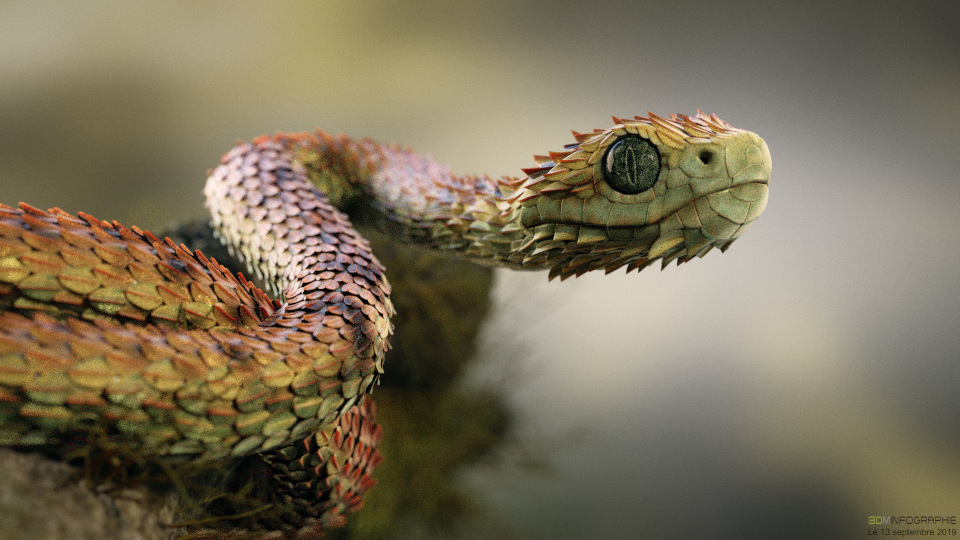
Lucas Falcao posted a few close-ups from his recent personal render that looks like taken out from a very cool animated movie. All done with Blender/Cycles.
Here some close up renders from the cat scene. #b3d #cycles #blackcat pic.twitter.com/VZwA9Stpkx
— Lucas Falcao (@lucasfalcao3d) September 18, 2019
Raghavendra Kamath posted another artwork made with Krita:

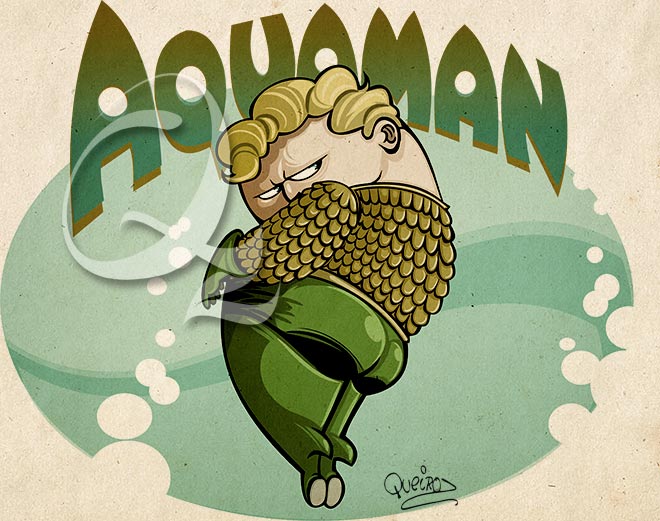
Marcelo Queiroz has been posting his renditions of DC superheroes on Inkscape‘s Facebook group for a while now, all work done with Inkscape and GIMP:
Libre Arts: Week recap — 10 September 2019
Week highlights: out-of-canvas pixels now possible in GIMP, Krita team goes on a bugfixing spree, lots of changes in upcoming Blender 2.81 and FreeCAD 0.19, GSoC project for OpenGL rendering in LibreCAD v3 now completed, more work-in-progress goodness in Olive.
Graphics
There’s more under-the-hood work on GIMP’s plugin system, but there have been user-visible changes too, and you are likely to love those. Ell contributed a new feature: showing all pixel data outside the canvas boundary. It comes with an optional canvas boundary display (red dotted line).
When enabled, the padding around canvas gets replaced with common alpha checkerboard, and all content outside the canvas is revealed.
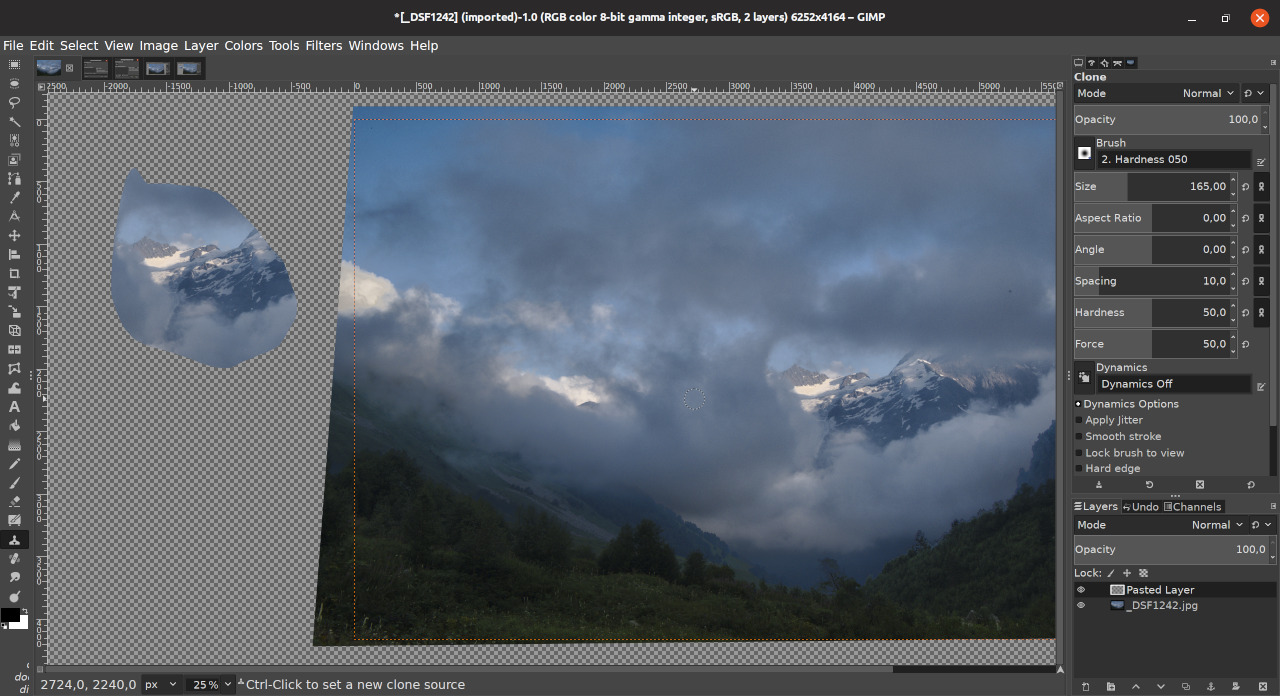
Ell also made it possible to use several tools outside the canvas. For now, it’s painting and cloning tools. Adding support for selection tools will probably bring GIMP considerably close to a full-blown implementation of unbounded layers.
Alessandro Francesconi released another new version of BIMP, visual batch processing plug-in for GIMP. Two latest updates feature improved GUI flexibility and HiDPI support (contributed by one of Pencil2D developers), as well as support for WebP and HEIF.
Before HiDPI fix:
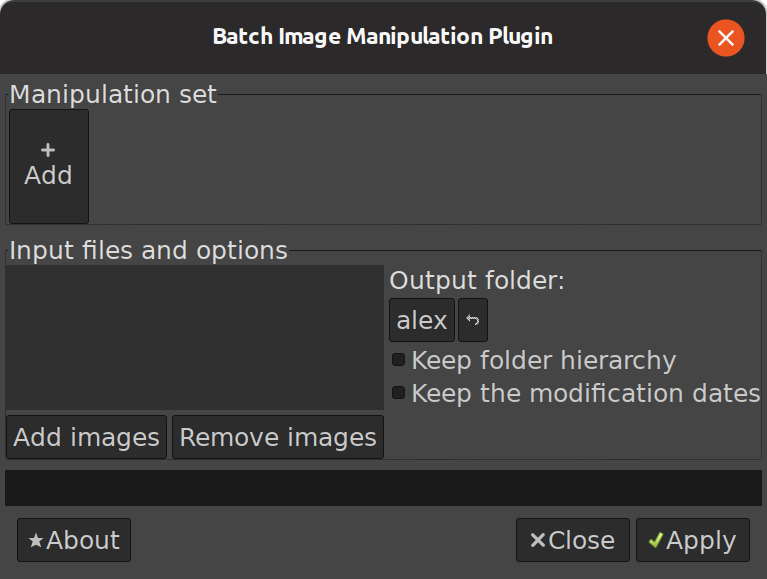
After HiDPI fix:
Dmitry Kazakov, Boudewijn Rempt, Wolthera, and Lynx3d fixed probably a dozen of memory leaks in Krita and twice as many general bugs here and there. There’s more progress by Wolthera in adding support for SAI files: fixes for layer blending modes, masks support.
Meanwhile, Kuntal Majumder continues working on his GSoC project, the Magnetic Lasso tool. Recently, he added an ability to cancel selection and start anew, as well as edit checkpoints. He then implemented basics of lazy filtering.
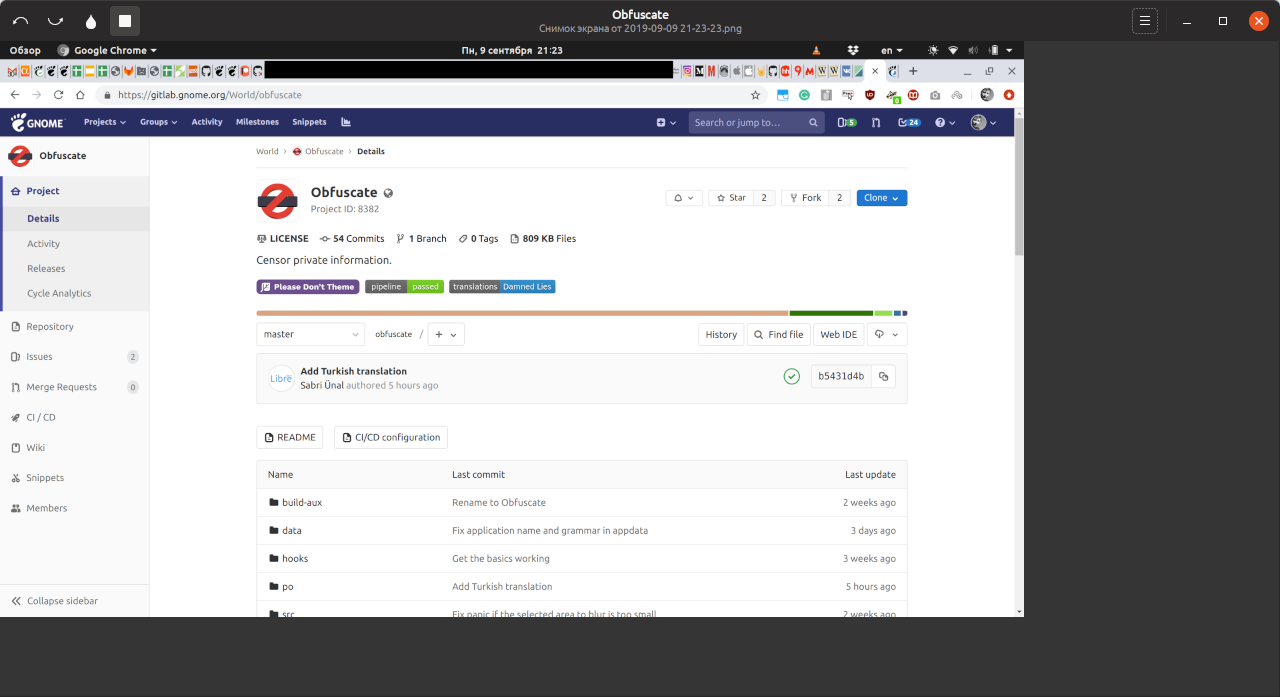
Some members of the GNOME team are now promoting Obfuscate, a new program created by Bilal Elmoussaoui, specifically designed to blur and redact sensitive information on screenshots and images, like in this case part of tabs in Chrome:
3D and VFX
Pablo delivered another great recap of recent changes in Blender, there’s not much need in repeating that, just watch the video 🙂
You are going to love this extra though:
I added a new set of properties to the paint brush to match most digital painting applications.
Brushes now have opacity, flow, density, hardness, wet paint, tip shape controls and tip rotation. #b3d pic.twitter.com/NfPehgkso8— Pablo Dobarro (@pablodp606) September 4, 2019
Or maybe this update on the eyedropper tool in Grease Pencil?
Check out a new photogrammetry add-on for Blender. There’s nice coverage over at Blendernation.
One more important topic here is free distribution of paid add-ons for Blender. This was an interesting conversation to watch:
The Wordpress ecosystem has had this controversy ages ago, Blender is comparatively late to the party, and yet it’s a conversation we needed to have.
CAD
LibreCAD’s only GSoC project, OpenGL rendering, is now complete. Kartik Kumar continues working with Florian Roméo and Armin Stebich on cleaning up the code. For details, see his final report.
Interesting things are going on with FreeCAD. There’s a newly introduced Points workbench by Jean-Marie Verdun, that provides tools for working with point clouds. The Check Geometry tool (verifies if you have a valid solid) got more settings.
More interesting things, courtesy by Victor Titiov, are going on with the Show module. Apparently, you can now have multiple temporary visualizations in arbitrary order and a plugin system. As the first tangible outcome, this helps allowing another workbench to do sketch editing.
The OpenSCAD workbench now supports extrusion with an angle, and the DraftFillet tools got a new option to change fillet to a chamfer, courtesy by vocx-fc. Finally, there’s a ton of updates in the FEM workbench by Bernd Hahnebach.
Video
I find it hard right now to report on Matt’s progress with Olive, because the master branch is pretty much unusable. So here is an unordered list of recent changes:
- OpenImageIO support (cheap access to OpenEXR, DPX, Cineon etc.)
- Lots of color management work done
- Functions for alpha dis/re/association
- Alpha over and opacity nodes are functional, transform (2D, 3D, and 4D) node is partially functional
- Node caching and render caching improvements
- New slider widget that can handle both integers and floats
- New playback controls
Really, I can’t wait to see all this in a usable state.
Jonathan Thomas continues doing good work with OpenShot. There hasn’t been a release since March yet. But most recently, the program got support for Blender 2.80. This is where I just have to quote Jonathan:
On a side note, I really love the new version of Blender. It is very inspiring, the entire Blender story leading up to this release. It will continue to be an inspiration for OpenShot and myself. 👍 Good job Blender devs!!!!!
Cinelerra-GG now uses libdav1d for AV1 support by default instead of libAOM, which is part of the most recent release. It also got a new crop plugin and timeline bars, which aren’t in any release yet.
GNOME Subtitles is seeing more activity lately again, both new releases, v1.5 and v1.6, have bugfixes and small enhancements rather than new features.
Tutorials
A good introduction to darktable, made for PetaPixel readers:
New photography postprocessing tutorial for GIMP users by Davies Media Design:
GDquest explains using file layer in Krita to make game art mockups:
And here is a timelapse showing how to make a low-poly eagle logo with Inkscape:
Artworks and showcases
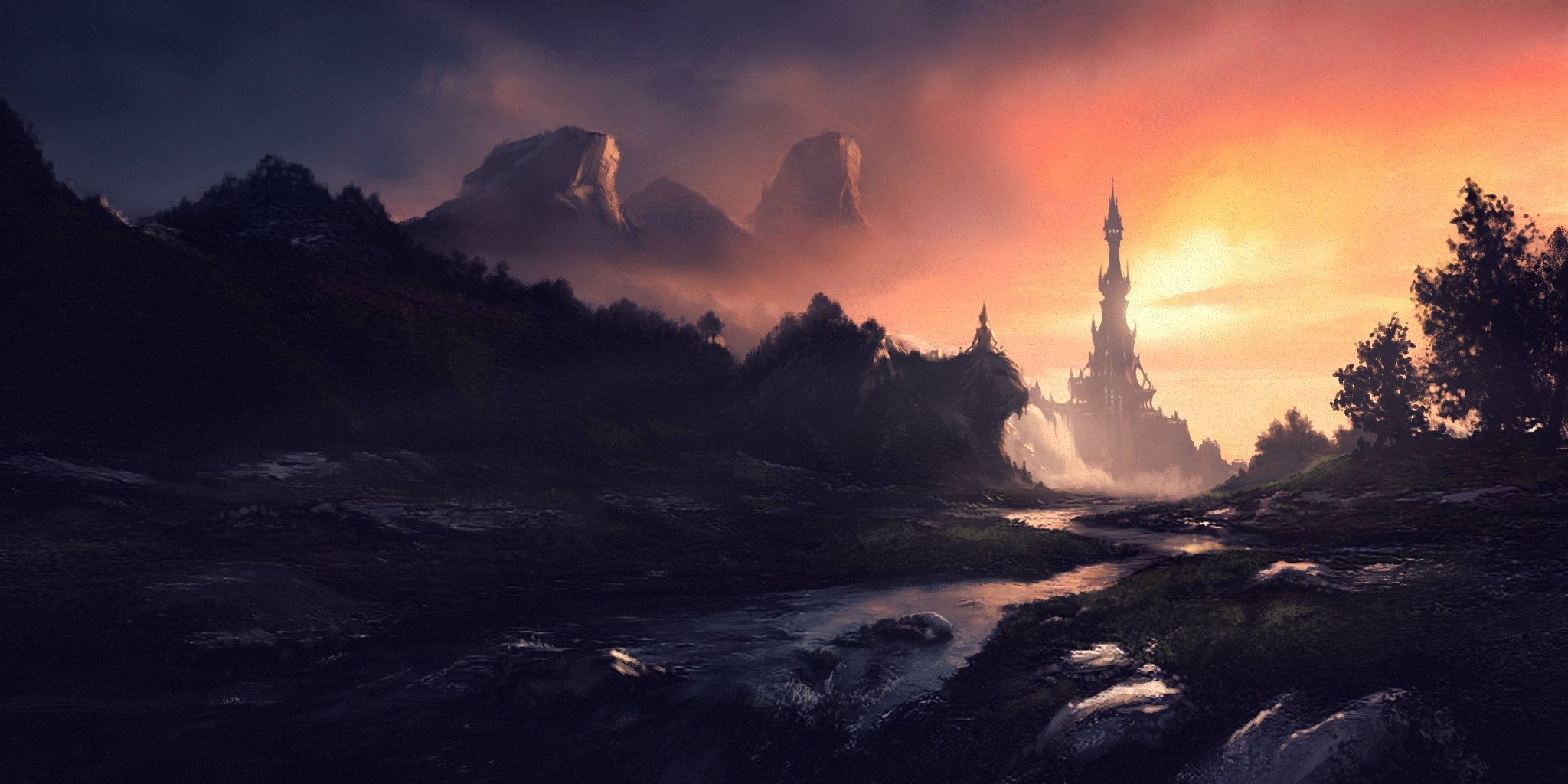
I’ll never get tired posting new artworks by Philipp Urlich, made with Krita. This one is based on a Gaugan render that he did.
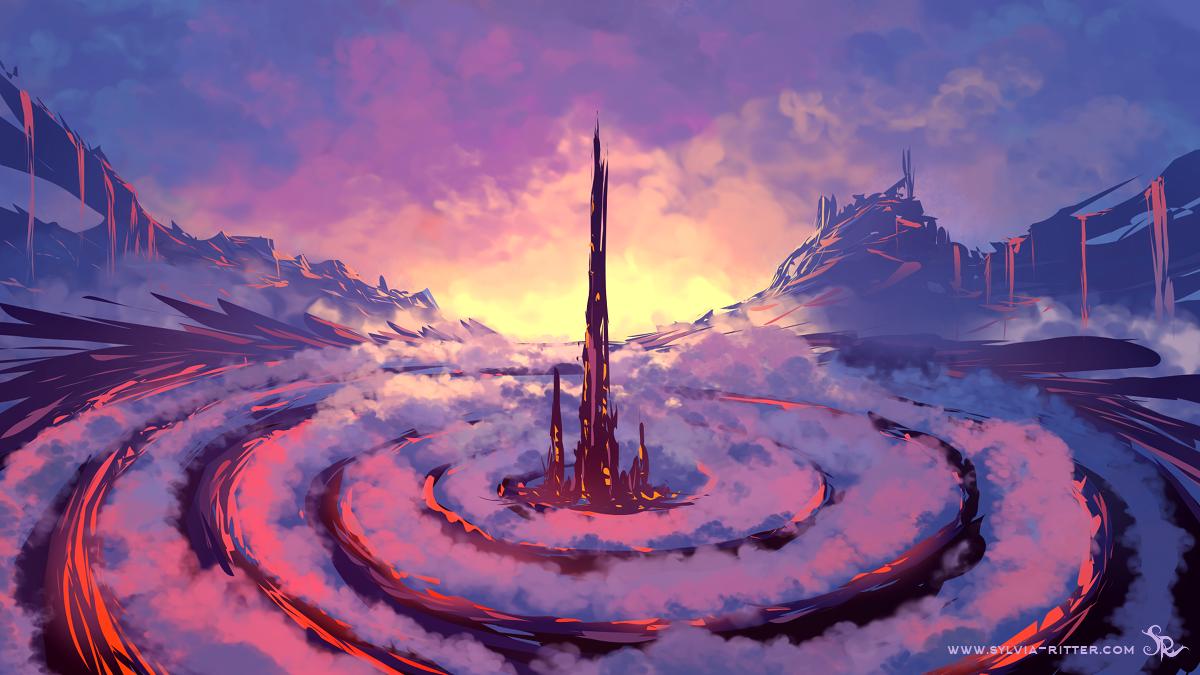
More speedpainting with Krita from Sylvia Ritter:
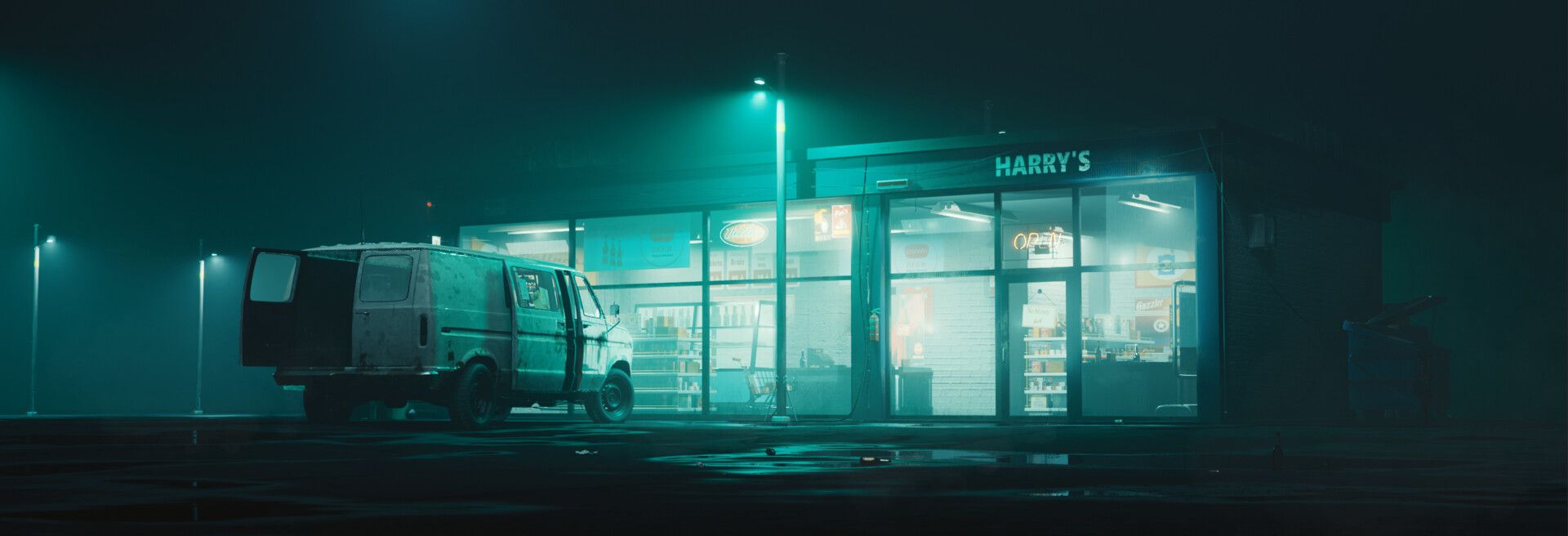
Urban environments by James O‘Brien, made with Blender, are always good solid stuff.
‘Puffin spotting on Cannon Beach’ is a short animated film by Zale, made with Blender and based on a Zoe Persico’s illustration.
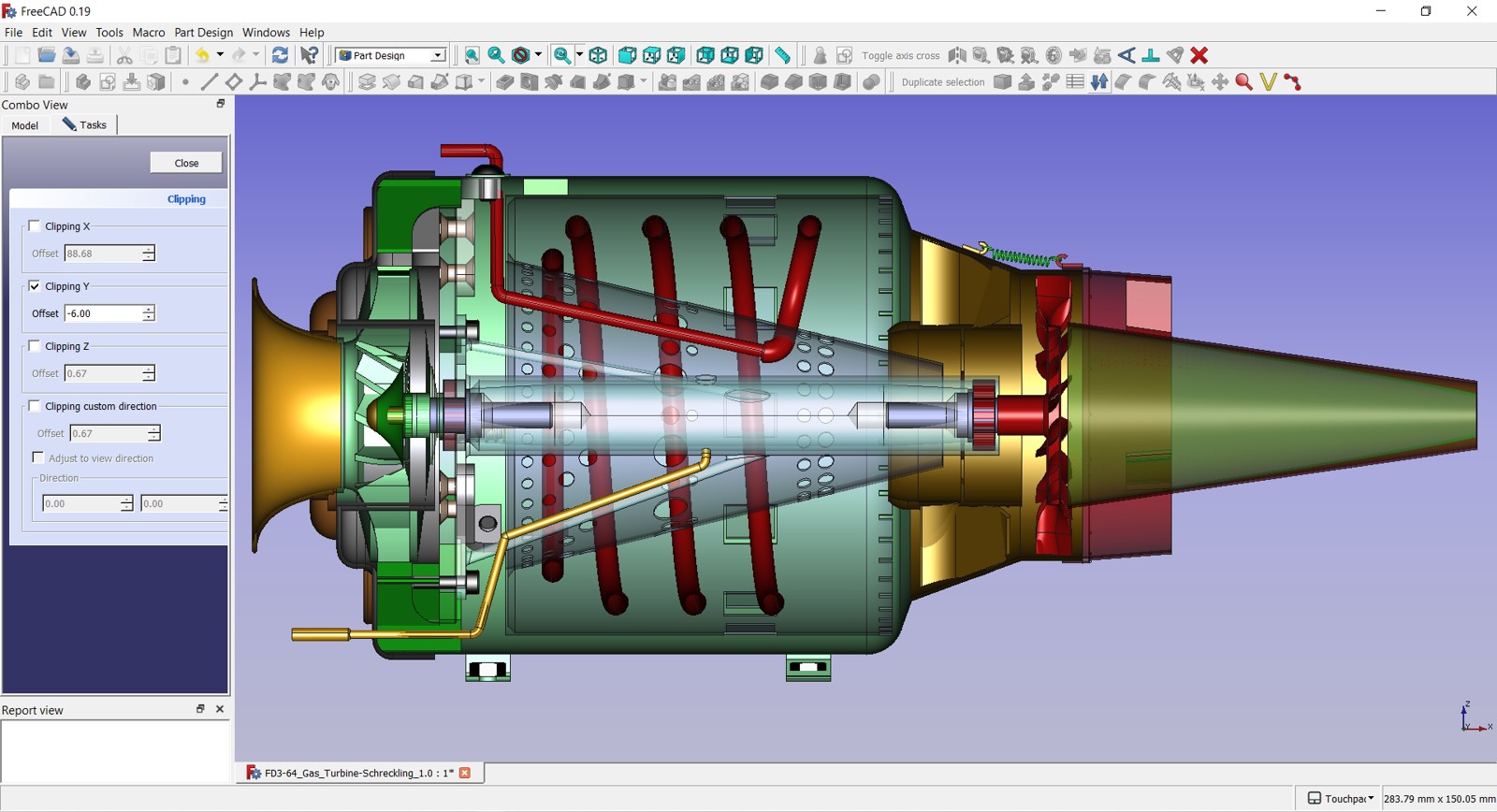
New FreeCAD showcase is a gas turbine for a radio-controlled model aircraft, based on a 1992 design by Kurt Schreckling. It was designed with upcoming FreeCAD 0.19, although no assembly workbench was used as there was no need for it, or so the author claims.
Random things
The funniest thing made with Blender I’ve seen in a while:
あとちょっと調整する
Procedural Burger System #WIP
Blender 2.80 Eevee#proceduralmodeling #proceduraltexture #AnimationNodes #b3d #blender3d #blender pic.twitter.com/tWD6FNbWhO— sakura🌸 (@sakura_rtd) September 8, 2019
But procedural designs go even further:
I made a procedural solar panel texture. not perfect yet, but I’m getting there. The bevel at the edges however, is not procedural, this is just geometry. Whatcha think?#blender #blender3d #b3d #blendercycles #blendereevee #eevee #solarpowerrrrrrrrrftw pic.twitter.com/H9nZP4zOJg
— BluePixelAnimations (@BluePixel2017) September 9, 2019